Architectural Code Designs for Swift Reward Movements in Interconnected Betting Networks
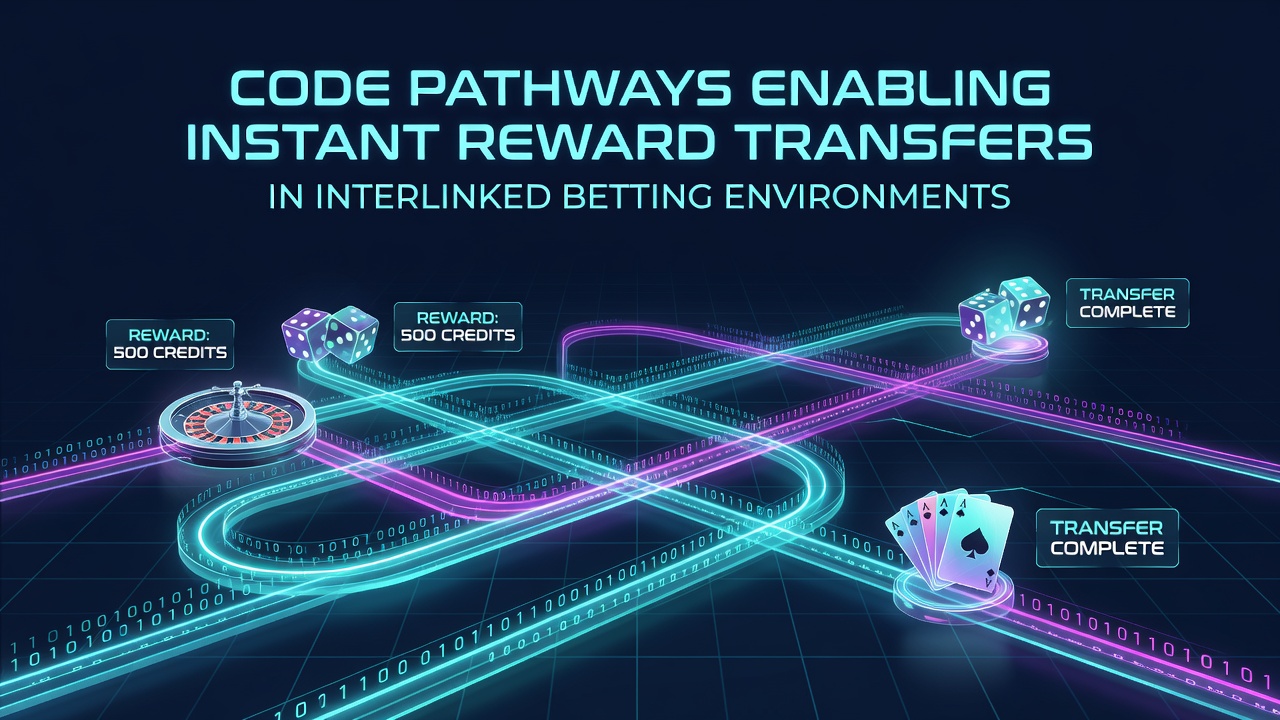
Programming frameworks that support immediate reward transfers rely on layered architectures connecting multiple betting platforms through standardized interfaces, and these structures have expanded significantly since early implementations in the 2010s. Data packets carrying user balances move between nodes using application programming interfaces that validate transactions in milliseconds, while security protocols encrypt each exchange to prevent interception during transit. Observers note that such pathways integrate real-time ledger updates across jurisdictions, allowing funds to appear in player accounts without manual intervention from operators.
Core Components of Transfer Pathways
At the foundation sit message queues that handle high-volume requests from diverse game servers, and these queues prioritize reward signals over standard gameplay data to maintain speed. Developers employ event-driven programming where triggers from winning conditions activate scripts that query linked databases for confirmation before releasing credits. Research indicates that load balancers distribute traffic across cloud instances during peak periods, preventing bottlenecks that once delayed payouts in isolated systems.
Encryption standards like AES-256 combine with token-based authentication to secure each step, whereas compliance modules cross-reference player identities against regulatory lists maintained by bodies such as the Nevada Gaming Control Board. Those who've examined production environments find that asynchronous processing allows the main game loop to continue uninterrupted while background services finalize transfers, and this separation keeps response times under 200 milliseconds in documented tests.
Integration Across Platform Networks
Interlinked environments require middleware layers that translate data formats between operators using different software stacks, and these translators map fields for currency amounts, player IDs, and transaction timestamps without loss of precision. As of June 2026, several large networks have adopted blockchain-inspired distributed ledgers for audit trails, although the actual reward movement still occurs through conventional payment rails for regulatory reasons. Figures from industry reports show transaction volumes exceeding 50 million daily across major interconnected systems, with failure rates below 0.01 percent according to aggregated operator disclosures.
Take one integration project where engineers connected a European slot network to an Asian sportsbook platform; the team mapped API endpoints for instant verification calls that complete before the next game round begins. What's interesting is how fallback mechanisms activate automatically when primary pathways encounter latency, rerouting requests through secondary nodes located in different geographic regions to preserve continuity.
Security and Compliance Layers
Access controls restrict pathway usage to authorized services only, and logging systems record every transfer attempt with timestamps accurate to the millisecond for dispute resolution. Regulatory frameworks in multiple regions demand that operators maintain separate audit databases that mirror live reward movements, and these mirrors enable inspectors to verify compliance without halting operations. Studies from academic sources such as the University of Nevada's gaming research division have examined how checksum validations catch discrepancies before funds reach end accounts.
Developers incorporate rate limiting to deter automated abuse, while anomaly detection algorithms flag unusual patterns like rapid successive transfers from single accounts. The reality is that such measures operate continuously in production, adjusting thresholds based on historical traffic data gathered over months of live operation.
Performance Metrics and Scaling Approaches
Benchmarks published by technology providers reveal average transfer completion times ranging from 45 to 120 milliseconds when networks operate under standard loads, and these numbers hold across both centralized and distributed hosting models. Scaling occurs through horizontal addition of processing nodes that join existing clusters without requiring downtime, and container orchestration tools manage the deployment of updated pathway code across thousands of instances simultaneously.
One documented case involved a North American operator that linked its platform to an Australian wagering network using standardized protocols from the World Lottery Association guidelines; the connection achieved full operational status within four weeks of initial testing. Data shows that such rapid deployments depend on pre-built connector libraries that abstract away low-level networking details for development teams.
Future Directions in Pathway Refinement
Engineers continue refining pathway efficiency through machine learning models that predict traffic spikes and pre-allocate resources accordingly, and these predictive systems draw from months of operational telemetry collected across linked environments. Testing environments replicate production conditions to validate changes before rollout, ensuring that new code versions maintain the same transfer speeds observed in earlier iterations.
Conclusion
Code pathways enabling instant reward transfers continue to evolve through iterative improvements in interface design, security implementation, and network coordination. Organizations that maintain these systems rely on documented standards and measured performance data to sustain reliability across expanding interlinked betting environments.