Backend Interfaces and Their Role in Routing Mini-Game Triggers to Worldwide Progressive Systems and Bonus Streams
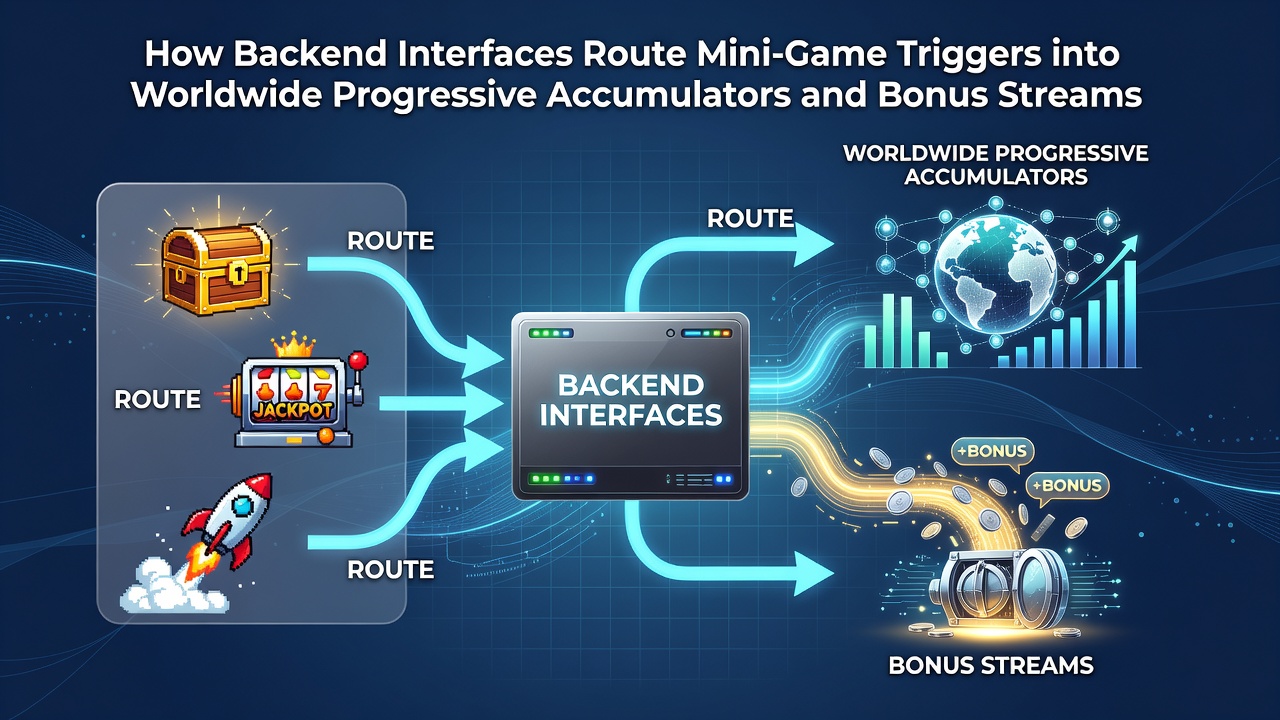
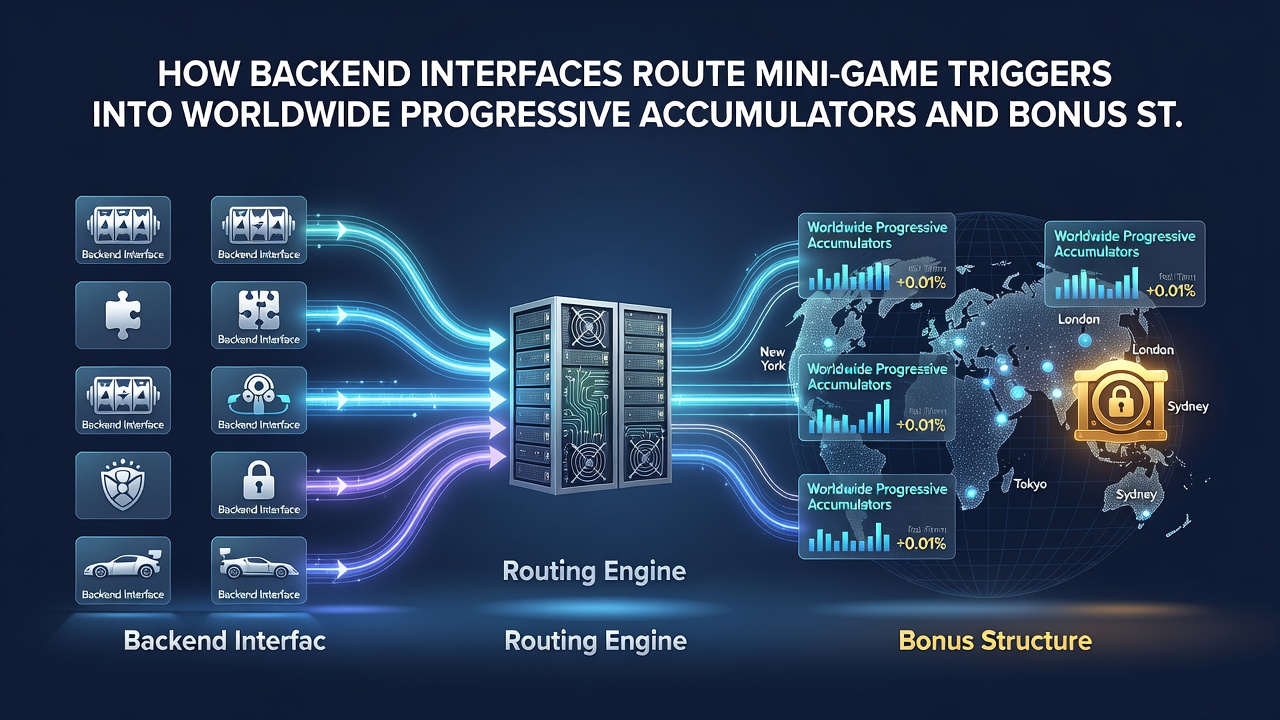
Backend interfaces serve as the central nervous system for modern gaming platforms, channeling signals from mini-games directly into expansive progressive accumulators that span multiple jurisdictions and operators. These systems process triggers in real time, converting small-scale events into contributions that feed worldwide prize pools while simultaneously directing bonus streams to eligible player accounts. Data from industry monitoring shows that such routing occurs through standardized APIs and event listeners that capture every spin, match, or challenge completion without interrupting gameplay flow.
Core Components of Trigger Detection and Signal Transmission
Mini-game engines generate discrete events whenever predefined conditions are met, and backend interfaces detect these through listener modules embedded in the game server layer. Each trigger carries metadata including player ID, game identifier, wager amount, and timestamp, which the interface packages into structured payloads for transmission. Protocols like JSON-RPC or WebSocket streams handle the handoff, ensuring low-latency delivery to accumulator services that operate across data centers in different regions. Observers note that this separation between game logic and financial processing layers allows operators to update mini-game content independently while maintaining uninterrupted connections to shared jackpot networks.
Integration with Progressive Accumulator Pools
Once a trigger reaches the accumulator layer, allocation rules determine the percentage routed to each progressive tier, ranging from local daily pools to global mega-jackpots. Backend scripts apply jurisdiction-specific contribution rates, tax withholdings, and regulatory caps before updating the running totals that players see on their screens. In June 2026, several major platforms reported synchronized updates across European and North American servers following changes to contribution thresholds, demonstrating how these interfaces maintain consistency even when rules differ by market. Researchers at gaming technology conferences have documented cases where a single mini-game trigger in one continent incremented multiple accumulator values simultaneously through mirrored database writes.
Bonus Stream Allocation and Player Notification Pathways
Bonus streams diverge from the main accumulator path at dedicated handler services that evaluate player eligibility against campaign rules stored in separate configuration databases. These services calculate reward amounts based on trigger frequency, player tier, and active promotions, then push credits through payment gateways or wallet APIs. Notification modules send real-time alerts via in-game pop-ups or mobile push messages while logging the transaction for audit trails. Experts have observed that this parallel routing prevents bonus distributions from delaying jackpot growth calculations, allowing both systems to operate at scale during peak traffic periods.
Security Protocols and Regulatory Compliance Mechanisms
Encryption standards protect trigger data during transit between interfaces and accumulator nodes, with tokenization applied to sensitive identifiers before storage. Compliance engines embedded in the routing layer cross-check each transaction against licensing requirements from bodies such as the Malta Gaming Authority and the Nevada Gaming Control Board, flagging anomalies for manual review. According to reports published by the International Association of Gaming Regulators, automated reconciliation processes run every 15 minutes to verify that contributions match reported player activity across all connected sites. Those who have studied these architectures note that audit logs capture the full lifecycle of every trigger, from initial detection to final pool update or bonus credit.
Scalability Considerations in Global Deployments
Load-balancing clusters distribute incoming triggers across multiple interface instances, preventing bottlenecks when thousands of mini-games fire events within the same second. Database sharding techniques separate high-velocity accumulator writes from slower bonus eligibility queries, maintaining response times below 50 milliseconds even during major promotional events. Industry analyses indicate that operators using containerized deployments have achieved 99.99 percent uptime for these routing services, with failover mechanisms redirecting traffic to secondary regions when primary data centers experience issues. This infrastructure supports the expansion of progressive networks into new markets while preserving the integrity of existing prize pools.
Conclusion
Backend interfaces continue to evolve as the essential conduit between localized mini-game activity and international progressive systems, ensuring accurate, secure, and compliant movement of both jackpot contributions and bonus rewards. As platforms expand their offerings, these routing mechanisms remain central to delivering synchronized experiences across worldwide networks.