Connecting Mini-Game Triggers to Worldwide Progressive Pools: The Role of Network Handlers and Scripts
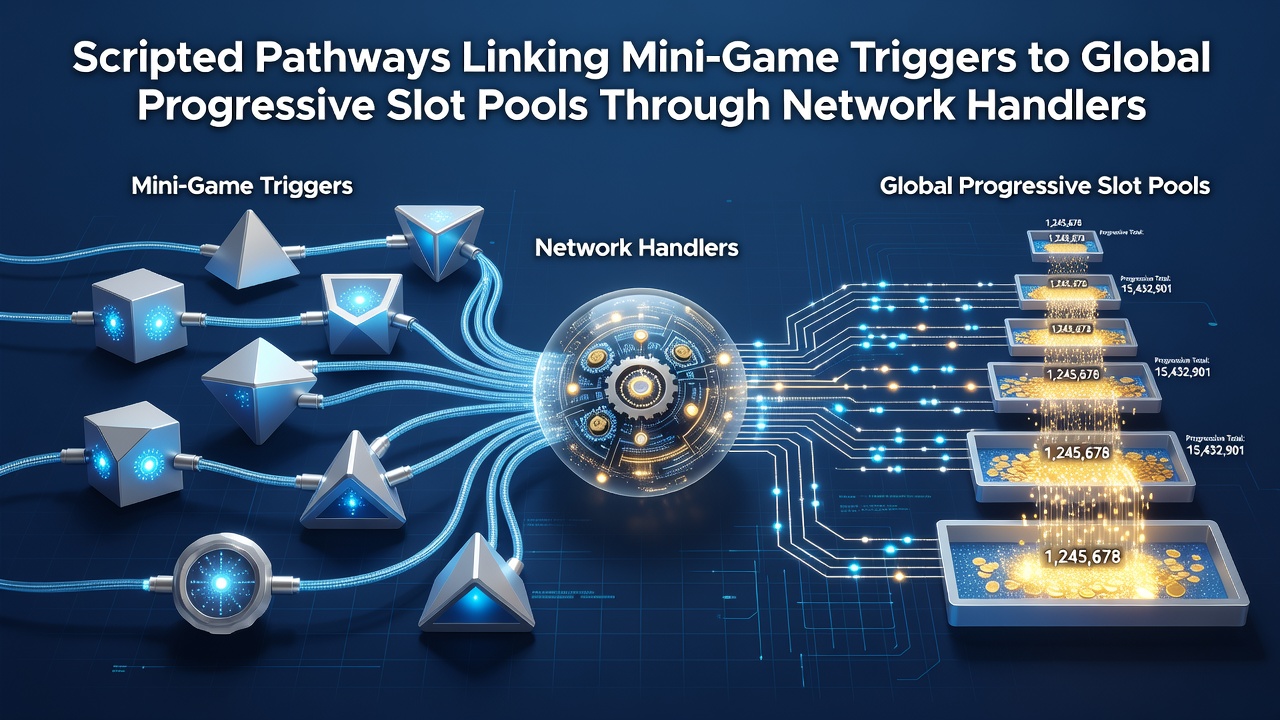
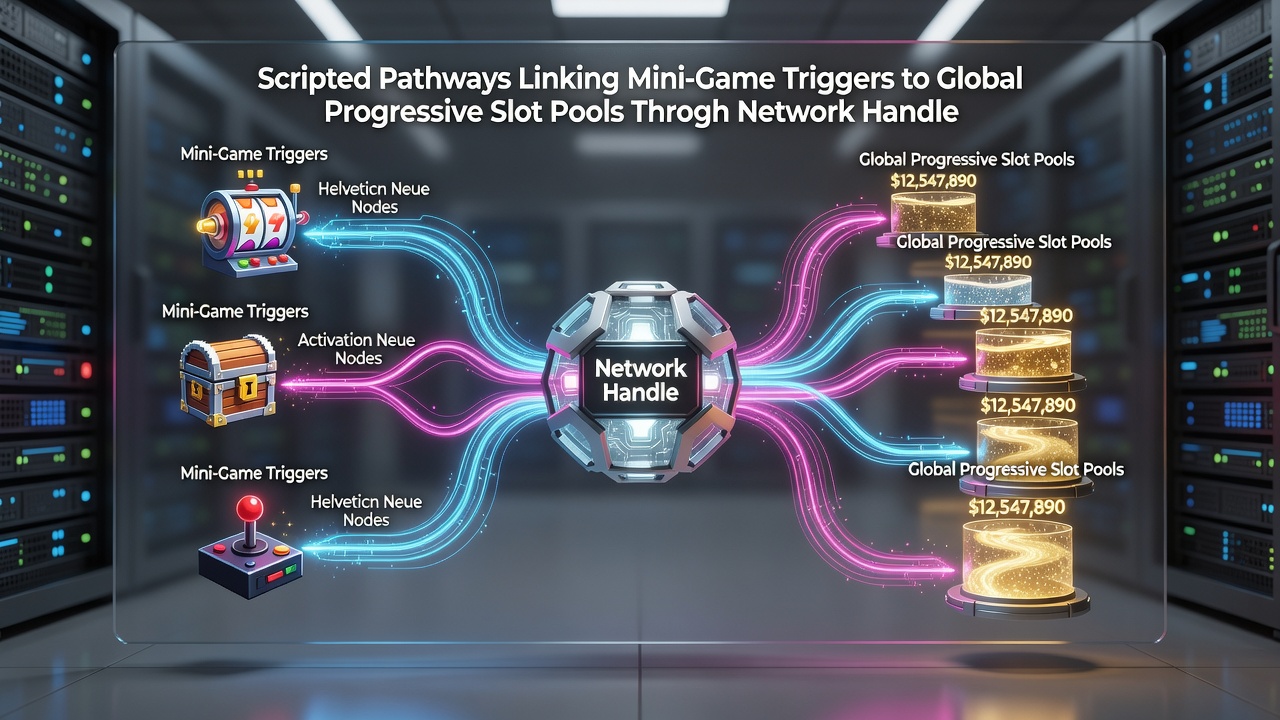
Scripted pathways operate as coded sequences that detect specific events within mini-games and route resulting data toward centralized progressive systems, while network handlers manage the transmission and synchronization across multiple jurisdictions and operators. These mechanisms allow contributions from individual game sessions to accumulate in shared pools that span regions, with updates occurring in real time through dedicated server architectures.
Mechanics of Trigger Detection and Data Routing
Mini-game platforms incorporate event listeners that activate upon completion of defined objectives such as symbol combinations or level clearances, and these listeners execute scripts that format outcome values for transmission. Network handlers then receive the formatted packets, validate them against operator protocols, and forward contributions to progressive pool managers located in data centers that serve global networks. Observers note that this process maintains consistency because handlers apply timestamp synchronization and checksum verification before any pool update occurs.
Operators in multiple markets rely on standardized APIs to ensure compatibility between local game servers and the central progressive infrastructure, and July 2026 saw several platforms report expanded handler capacity to accommodate increased transaction volumes during peak periods. Data from regulatory filings indicate that such expansions aligned with rising participation rates across interconnected gaming environments.
Integration With Global Slot Systems
Progressive slot pools receive increments from mini-game triggers through encrypted channels that network handlers establish between disparate gaming platforms, and these increments reflect percentages allocated from each qualifying bet or completed mini-game round. Researchers at institutions studying gaming technology have documented cases where handler clusters reduced latency in pool updates to under 200 milliseconds across transcontinental links, which supports simultaneous visibility of growing jackpots for players in different time zones.
One documented implementation involved a handler network that linked European and North American servers, allowing contributions initiated in one region to appear in pool displays viewed elsewhere within the same second. According to reports filed with the Nevada Gaming Control Board, such cross-border routing requires compliance with data residency rules that handlers enforce through localized processing nodes before final aggregation.
Security and Compliance Considerations
Scripts embedded in mini-game engines undergo regular audits to confirm they transmit only authorized data fields, and network handlers incorporate encryption layers that meet standards set by various gaming authorities including those in Canada and Australia. Figures released by the Australian Institute of Criminology show that systems employing these layered approaches recorded fewer reported discrepancies in progressive pool accounting during the first half of 2026 compared with earlier configurations.
Handlers also log every transaction with unique identifiers that allow regulators to trace contributions back to originating sessions, which supports reconciliation processes conducted at the close of each gaming day. Those who maintain these systems note that the combination of scripted triggers and handler oversight creates an auditable trail without interrupting player experiences.
Technical Evolution Through 2026
Updates to handler software in mid-2026 introduced support for additional script languages that accommodate newer mini-game frameworks, and this change enabled operators to integrate legacy slot titles with contemporary progressive networks more efficiently. Industry reports from the European Gaming and Betting Association highlight that adoption of these updated handlers coincided with measurable increases in pool participation metrics across participating jurisdictions.
Scripts now commonly include conditional checks that adjust contribution rates based on player location or game type, while handlers route the adjusted values accordingly to maintain pool integrity. This flexibility allows global pools to incorporate varied game mechanics while preserving the proportional allocation rules established by each participating operator.
Conclusion
Scripted pathways and network handlers form the backbone that links mini-game activity to worldwide progressive slot pools, and their continued refinement supports the operational requirements of multi-jurisdictional gaming environments. Documentation from regulatory bodies and research organizations confirms that these components operate through defined protocols that prioritize data accuracy and system responsiveness. As platforms expand their offerings, the underlying infrastructure adapts through incremental handler enhancements and script optimizations that keep pace with evolving game designs.