Digital Threads Connecting Mini-Game Results to Progressive Jackpot Networks Worldwide
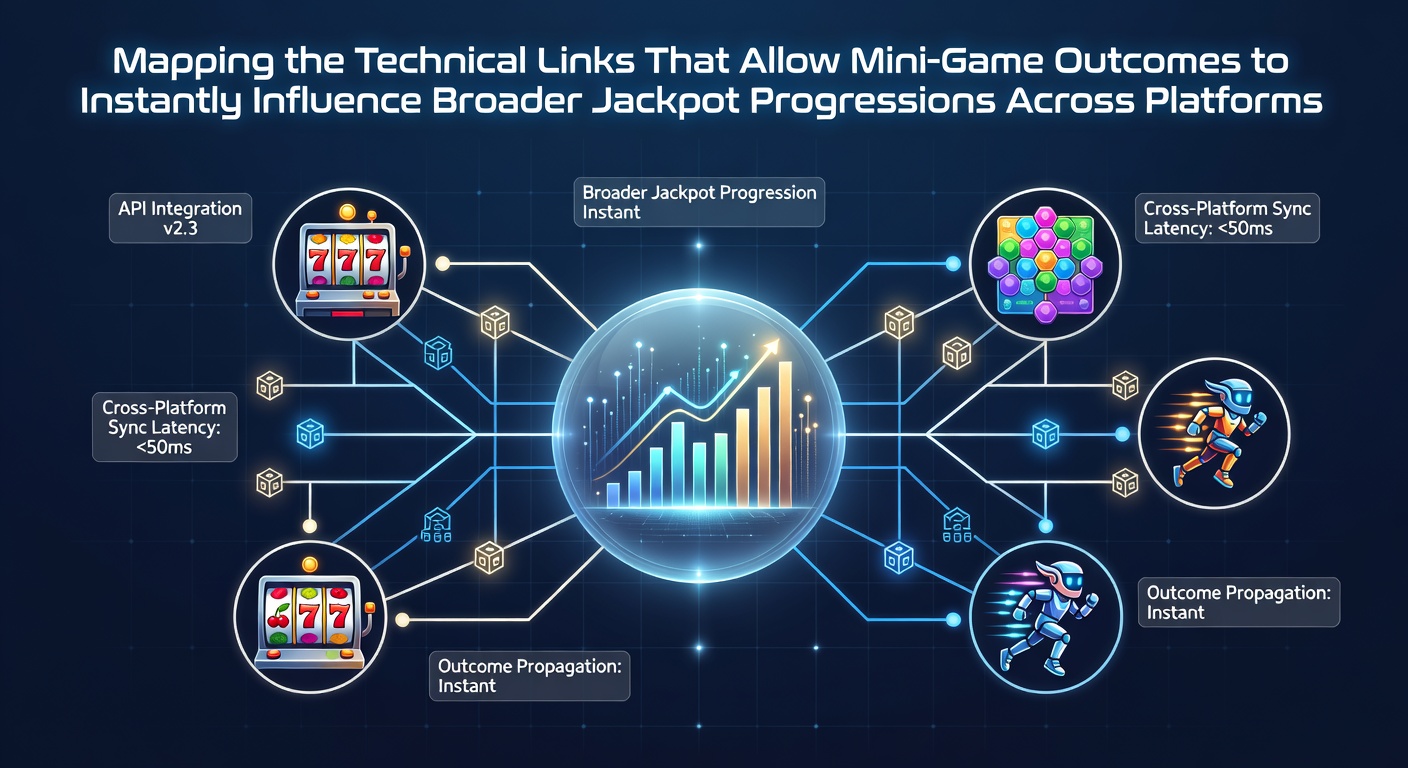
Modern gaming ecosystems rely on intricate data pipelines that transmit outcomes from standalone mini-games directly into larger progressive jackpot ledgers, and these connections operate through standardized application programming interfaces combined with real-time synchronization layers. Operators configure their backend systems to listen for specific event triggers such as win multipliers or bonus completions, then route those signals through secure message queues that update shared prize pools without perceptible delay. Data shows these mechanisms have expanded significantly by May 2026 as platforms seek tighter integration between casual bonus features and headline jackpot meters.
Core Components of the Integration Architecture
At the foundation sit randomized number generators housed within certified mini-game modules that produce results according to regulatory parameters set by bodies like the New Jersey Division of Gaming Enforcement. These outputs travel via encrypted channels to a central aggregation service where algorithms calculate incremental contributions to progressive totals based on predefined contribution rates. Observers note that successful implementations use event-driven microservices rather than batch processing, allowing each mini-game completion to trigger an immediate recalculation across connected jackpot ledgers hosted on distributed servers.
Network architects employ message brokers such as Apache Kafka or RabbitMQ to handle the high volume of concurrent transactions that arise when thousands of players engage mini-games simultaneously. Each message carries metadata including session identifiers, game type, and contribution value, which downstream processors validate before applying changes to the master jackpot database. Research from the European Gaming and Betting Association indicates that latency targets for these updates typically stay below 200 milliseconds to maintain player engagement across desktop, mobile, and kiosk environments.
Protocol Standards Enabling Instant Influence
WebSocket connections maintain persistent channels between client devices and backend servers, delivering outcome notifications in a continuous stream rather than through repeated polling requests. When a mini-game concludes, the protocol packages the result into a compact JSON payload that travels to the jackpot controller, where contribution rules determine whether the broader pool increases by a fixed percentage or a variable amount tied to stake size. Developers often layer additional checksums and digital signatures onto these payloads to prevent tampering during transit between different licensing jurisdictions.
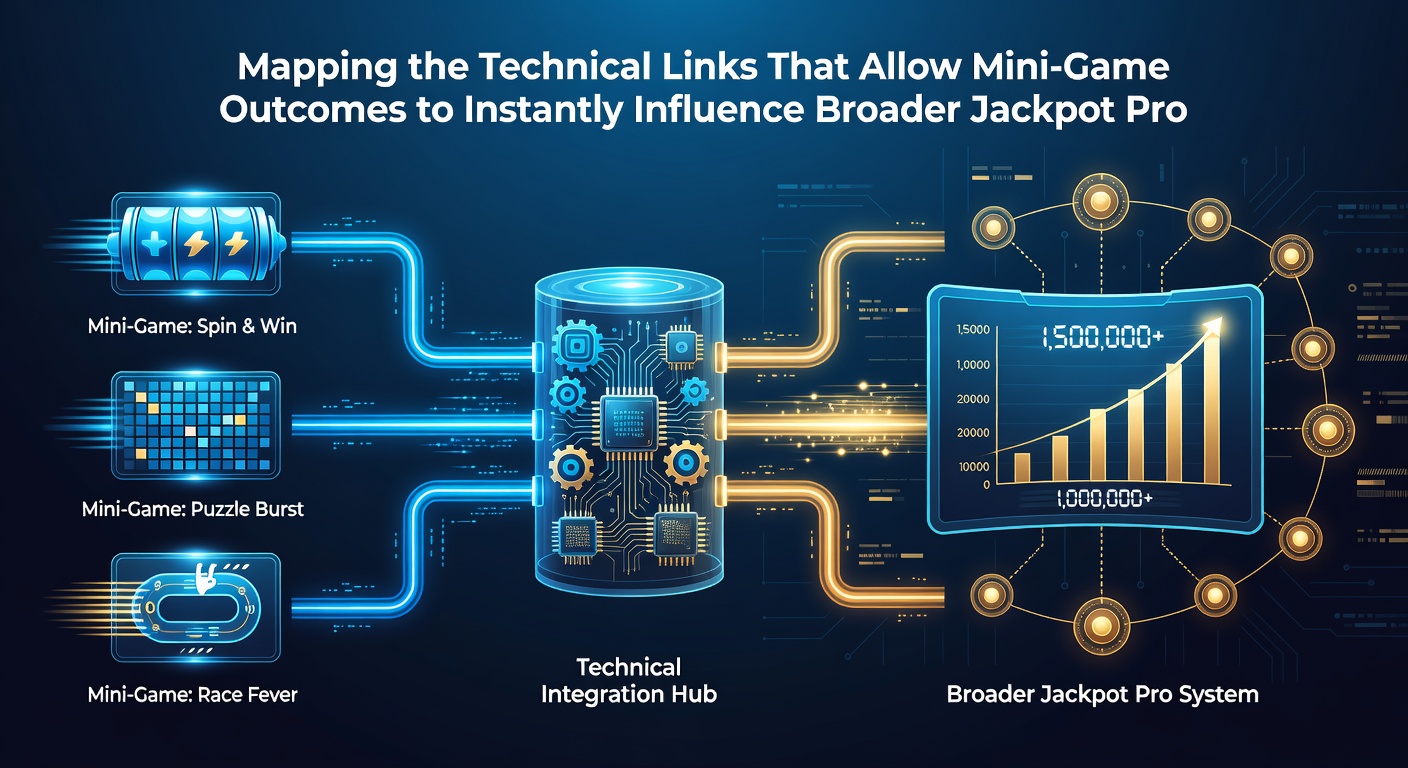
Cross-platform compatibility requires adherence to common data schemas that map local game variables to universal jackpot fields. One documented approach involves translation layers that convert proprietary mini-game formats into a standardized event taxonomy recognized by every participating operator network. Those who've studied these systems report that platforms using such translation layers experience fewer reconciliation errors when aggregating contributions from games developed by separate studios.
Security Measures and Regulatory Compliance
Encryption protocols such as TLS 1.3 protect data in motion while hardware security modules store cryptographic keys that authenticate each transaction packet. Regular penetration testing conducted by independent laboratories verifies that unauthorized actors cannot inject false mini-game results capable of artificially inflating jackpot meters. By May 2026 several North American regulators had begun requiring operators to submit audit logs showing every mini-game outcome that affected progressive balances, creating an immutable chain of custody for prize calculations.
Geographic distribution of jackpot controllers introduces additional complexity because different regions impose varying contribution caps and taxation rules. Middleware solutions reconcile these differences by applying jurisdiction-specific filters before any update commits to the shared ledger. Figures from industry reports reveal that properly configured middleware reduces cross-border reconciliation disputes by more than 40 percent compared with earlier monolithic architectures.
Performance Monitoring and Scalability Considerations
Operators deploy distributed tracing tools that tag each mini-game event with unique identifiers, enabling engineers to follow a single outcome through every hop until it registers in the jackpot total. Dashboards display real-time metrics on queue depth, processing latency, and error rates, allowing rapid response when throughput spikes occur during major promotional campaigns. Those monitoring these environments note that auto-scaling clusters automatically provision additional compute resources when message volumes exceed baseline thresholds, preventing bottlenecks that could otherwise delay jackpot updates.
Conclusion
The technical links between mini-game results and broader jackpot progressions rest on layered protocols, secure messaging infrastructure, and standardized data formats that together deliver instantaneous updates across diverse gaming platforms. Continued refinement of these systems supports expanding regulatory requirements while preserving the seamless player experience expected in contemporary online and land-based environments.