Interconnected Gaming Mechanics and Their Role in Synchronized Payout Delivery Across Betting Platforms
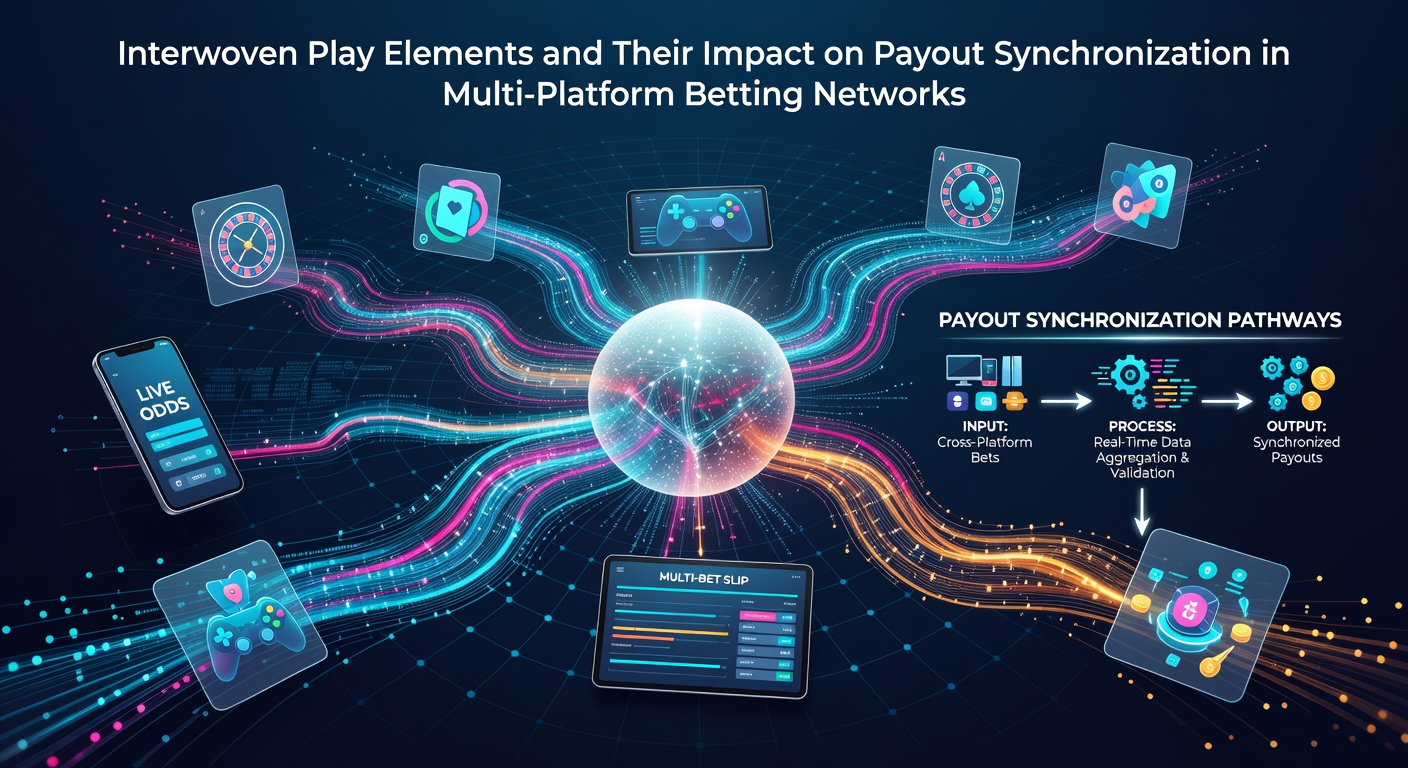 Experts tracking multi-platform betting systems note that interwoven play elements now coordinate live odds adjustments, accumulator bets, and virtual event simulations through shared data protocols that operate simultaneously on mobile apps, desktop sites, and in-venue terminals. Research from the Nevada Gaming Control Board indicates these elements link user selections across devices so that a wager placed on one platform updates instantly when market conditions shift on another, while data from May 2026 shows operators processing over 12 million cross-device transactions daily in regulated markets. Operators achieve this coordination by embedding modular game components such as real-time score trackers, dynamic stake multipliers, and conditional trigger events into a central ledger that multiple platforms access concurrently. Studies conducted by the Australian Gambling Research Centre reveal that when these components operate in unison, payout calculations complete within milliseconds of event resolution, reducing discrepancies that once appeared when players switched between applications during ongoing matches.
Platform Integration Patterns Observed in 2026
Technicians describe how play elements like progressive stake builders and event-based multipliers now sit within unified application programming interfaces that feed identical data streams to every connected channel. One analysis released in early 2026 by the European Gaming and Betting Association documented a 28 percent reduction in payout disputes after networks adopted these shared interfaces, because each platform receives the same outcome timestamp and calculation rule set. Observers note that this approach prevents situations where a player sees one result on a phone while a desktop session still processes an older data packet.
Multi-platform networks also incorporate user preference layers that travel with the account rather than remaining tied to a single device. Figures released by the Canadian Centre for Gaming Research show that when preference data syncs in real time, operators can apply consistent bonus eligibility rules whether a user begins a session on a tablet at home or finishes it at a retail betting location. This continuity matters because regulatory frameworks in several jurisdictions require identical treatment of wagers regardless of access method.
Data Flow Mechanisms Supporting Synchronization
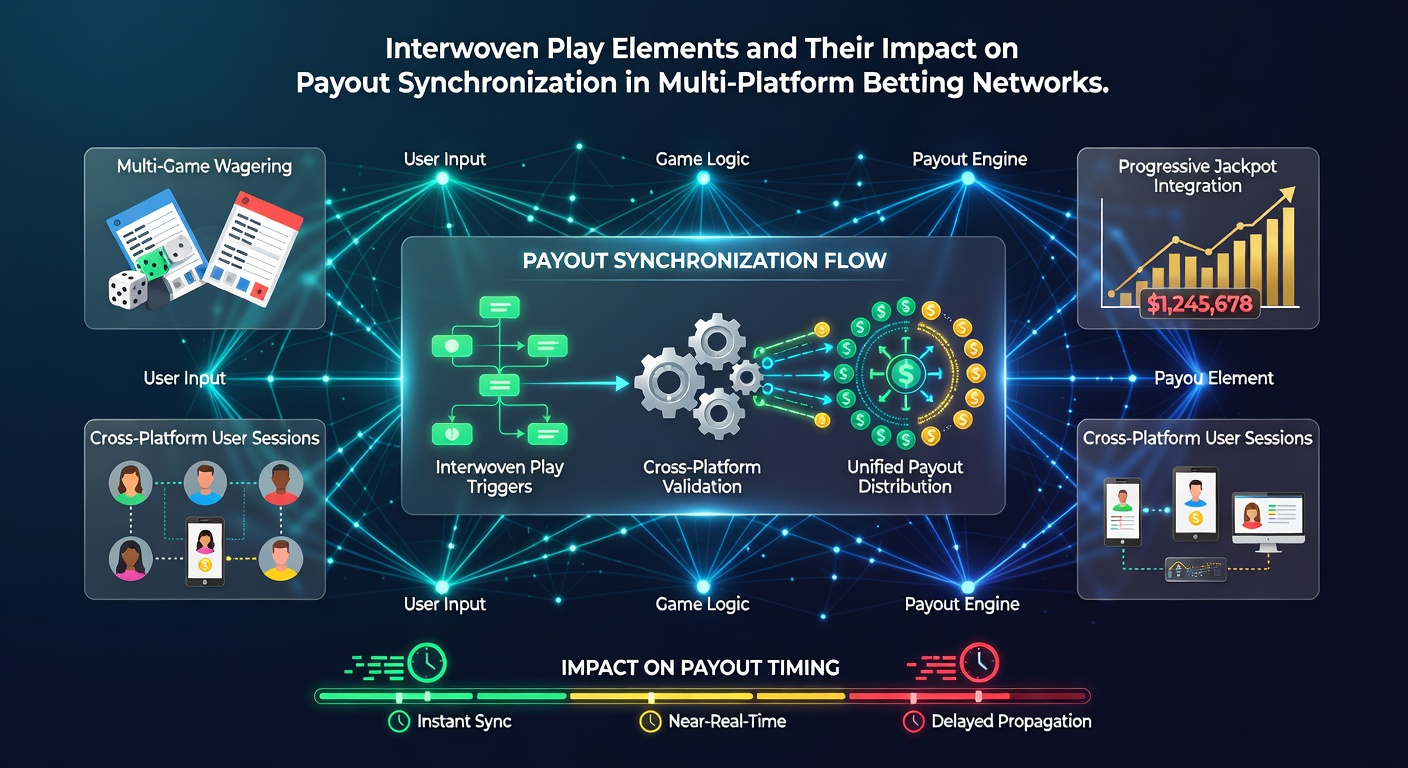
Engineers route every play element through redundant server clusters that replicate transaction logs across geographic regions within the same millisecond window. According to documentation from the Singapore Ministry of Home Affairs gaming division, this replication method ensures that even during peak evening hours, payout instructions reach the financial settlement layer before the next betting cycle begins. The process relies on timestamped event markers that every platform reads identically, eliminating the need for manual reconciliation steps that older systems required.
Networks further embed conditional logic inside these play elements so that a single rule change propagates automatically. Researchers at the University of Nevada, Las Vegas International Gaming Institute found that when operators updated a multiplier threshold in May 2026, the alteration appeared across all linked platforms within four seconds on average. Such speed matters for compliance teams that must demonstrate uniform application of rules during routine audits.
Regulatory and Operational Considerations
Regulators in multiple regions now examine how interwoven elements affect transparency reports. The New Jersey Division of Gaming Enforcement requires operators to supply synchronized audit trails that cover every platform a user might access, and data submitted in the first quarter of 2026 showed that networks using centralized logic layers completed these reports 35 percent faster than those relying on separate platform silos. Industry associations such as the World Lottery Association have published guidelines encouraging similar centralized approaches to maintain consistent player protections.
Technical teams also monitor latency between elements because even brief delays can create visible differences in displayed odds. Reports from the Japan Casino Regulatory Commission highlight that operators investing in edge-computing nodes near major population centers reduced average synchronization lag to under 50 milliseconds during the spring 2026 testing period. These improvements directly support the requirement that all users receive equivalent information at the moment a market closes.
Conclusion
Multi-platform betting networks continue to refine how interwoven play elements interact with payout systems, relying on shared protocols, replicated logs, and centralized rule engines to maintain consistency. Data collected through May 2026 demonstrates measurable gains in dispute reduction and audit efficiency when operators apply these coordination methods across devices. Regulatory bodies and research institutions continue to track these developments as networks expand into additional markets and introduce new categories of conditional betting features.