Mapping Digital Connections Between Instant Play Components and Growing Reward Structures in Worldwide Wagering Frameworks
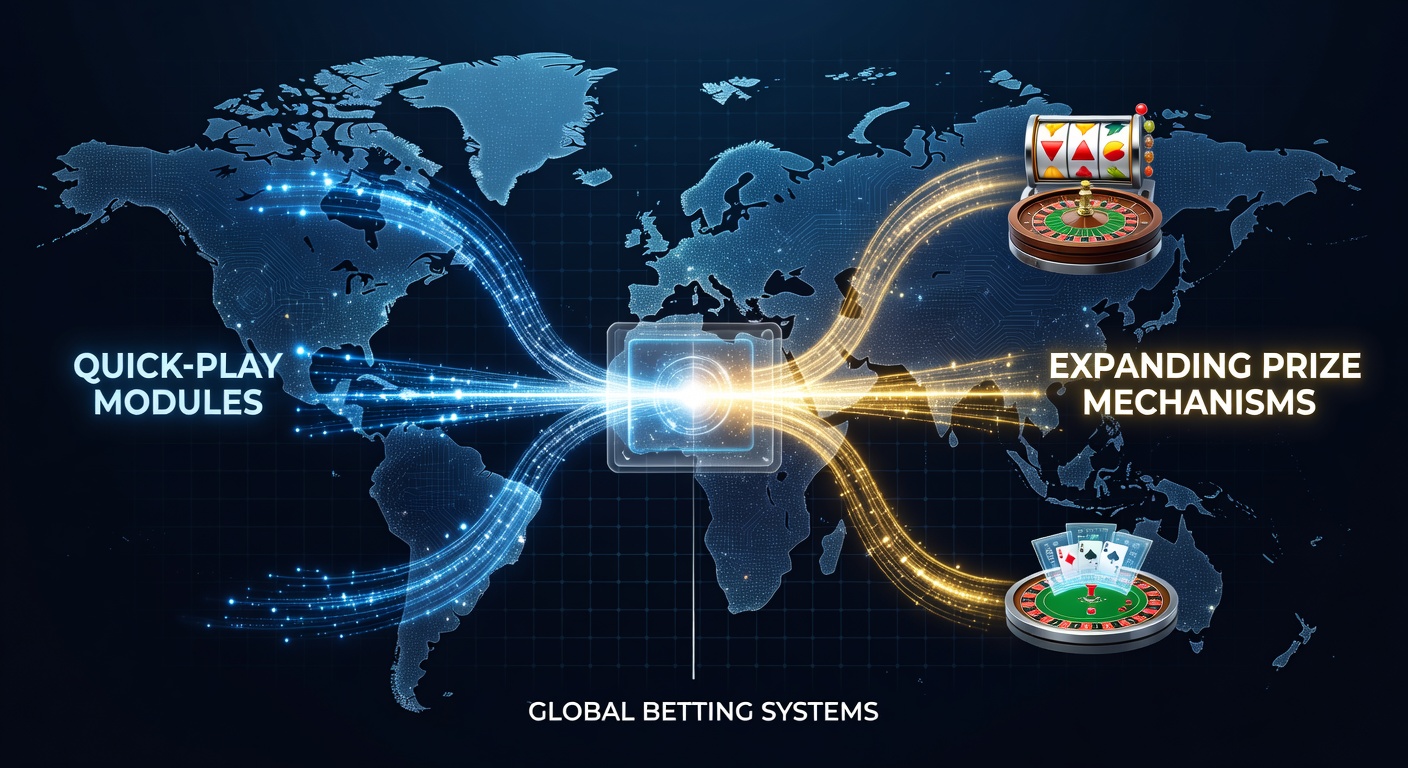
Digital infrastructure in modern betting environments routes information from quick-play modules directly into expanding prize mechanisms, creating synchronized systems that operate across multiple jurisdictions. These pathways rely on standardized protocols that transmit player actions, random number generator outputs, and contribution percentages in real time, allowing prize pools to adjust dynamically as participation increases.
Core Elements of Quick-Play Modules in Betting Systems
Quick-play modules consist of short-duration games such as instant-win scratch cards, simplified slot variants, and skill-based challenges that complete within seconds or minutes. Data generated by these modules includes session identifiers, stake amounts, and outcome results, which software platforms package into structured packets for transmission. Industry reports indicate that these packets travel through encrypted channels to central servers responsible for prize pool calculations, with latency requirements often set below 100 milliseconds to maintain seamless user experiences.
Expanding Prize Mechanisms and Their Data Requirements
Expanding prize mechanisms accumulate contributions from multiple game types into shared or linked pools that grow until triggered by specific conditions. Contribution rates typically range from 1 to 5 percent of each wager, though exact percentages vary according to operator agreements and local regulations. In June 2026, several European operators updated their pooling algorithms to incorporate cross-border participation data, reflecting adjustments following new compliance frameworks issued by the Malta Gaming Authority and similar bodies in other regions.
Observers note that prize mechanisms require continuous validation of pool balances to prevent discrepancies, which occurs through redundant checksum processes embedded in the data pathways. When quick-play modules feed into these systems, the pathways must distinguish between local and networked contributions to allocate funds accurately across different prize tiers.
Tracing the Primary Data Pathways
Information travels along defined routes that begin at the player interface and terminate at prize management servers. Initial capture happens within the game client, where application programming interfaces log every transaction before forwarding it to a middleware layer. This layer applies business rules that determine whether a given action qualifies for contribution to one or more expanding pools.
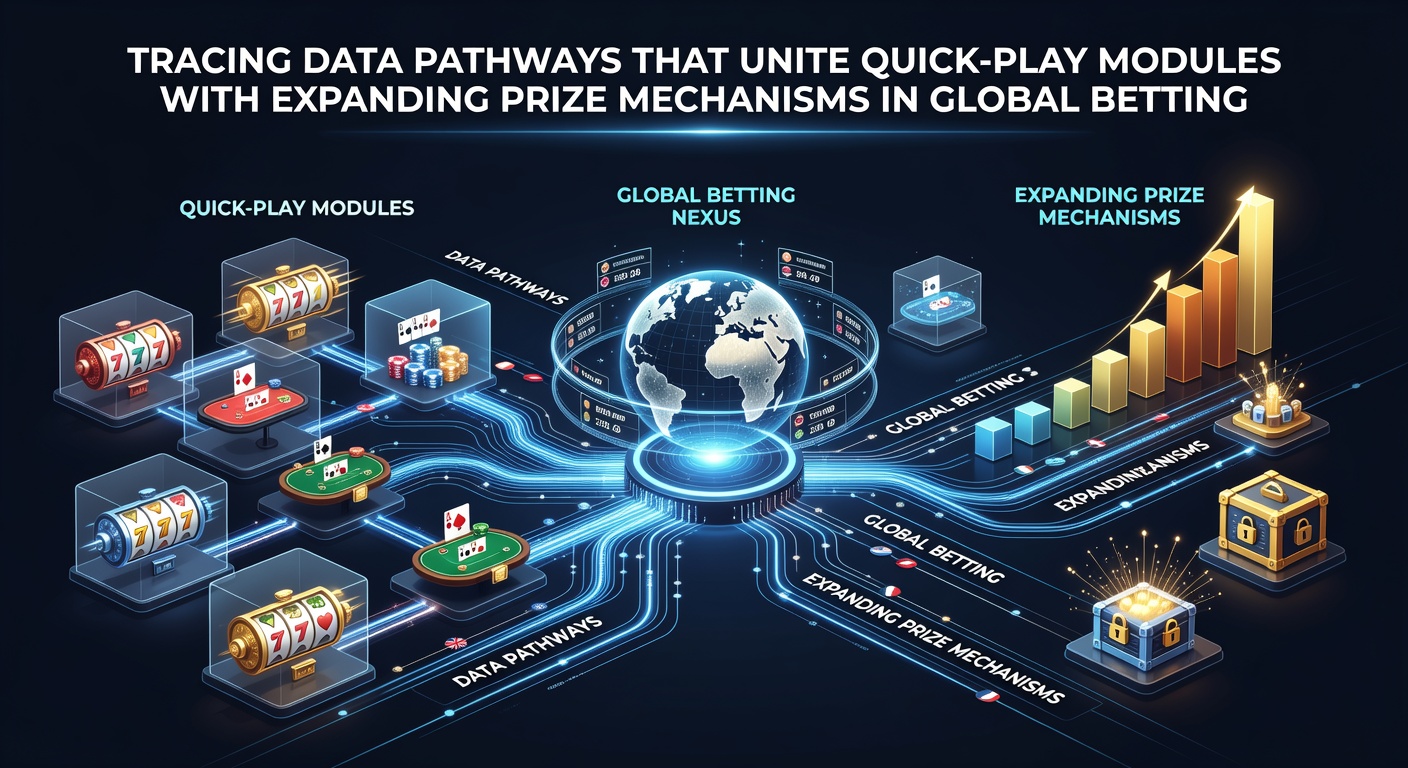
From middleware, packets move to regional aggregation nodes that consolidate data from multiple operators before sending summarized updates to global pool controllers. Research from the University of Nevada, Las Vegas Center for Gaming Research shows that aggregation reduces bandwidth demands while preserving the granularity needed for audit trails. And because regulatory bodies in Australia require daily reconciliation reports, these nodes also generate compliance exports that match transaction logs against pool growth figures.
Integration Challenges Across Jurisdictions
Differences in data retention policies and encryption standards create friction points along international pathways. Operators must maintain separate routing tables for jurisdictions with strict localization rules, such as those enforced by the New Jersey Division of Gaming Enforcement, while still allowing pooled contributions to flow into shared prize structures. One documented case involved a multi-state network that rerouted certain quick-play data streams through dedicated US servers to satisfy varying state requirements without interrupting prize accumulation in linked European pools.
Technical teams address these issues by implementing modular gateway software that translates between proprietary game formats and standardized prize system messages. Data shows that such gateways handle peak loads exceeding 50,000 transactions per second during major sporting events, according to performance benchmarks published by the Gaming Standards Association.
Security and Verification Along the Pathways
Every hop in the data route incorporates cryptographic signing to verify integrity and origin. Independent testing laboratories audit these controls on a quarterly basis, examining both the transmission protocols and the storage mechanisms used for historical pool data. Figures from the Canadian Gaming Association reveal that verified pathways experience fewer than 0.001 percent of transactions flagged for manual review due to anomalies.
Yet verification extends beyond technical checks. Regulatory frameworks in several Asian markets now require operators to maintain mirrored databases within national borders, forcing pathway designs to include geographic redundancy that does not compromise real-time synchronization speeds.
Future Developments in Pathway Architecture
Developments scheduled for late 2026 include expanded use of edge computing nodes positioned closer to player locations, which will preprocess quick-play results before they enter the main prize contribution streams. These nodes aim to reduce round-trip times for confirmation messages while still routing necessary metadata to central expanding mechanisms. Industry organizations such as the European Gaming and Betting Association have published position papers outlining recommended standards for such distributed processing.
Conclusion
Data pathways that unite quick-play modules with expanding prize mechanisms form the operational backbone of contemporary global betting systems. Their design incorporates technical standards, regulatory compliance layers, and performance optimizations that together enable continuous pool growth across borders. As participation volumes rise and new jurisdictions enter the market, these pathways will continue to evolve through incremental protocol refinements and infrastructure investments that maintain both speed and accuracy in prize distribution.