Scripting Seamless Links: How Network Services Align Mini-Game Outcomes with Progressive Slot Payouts and Bonus Distribution
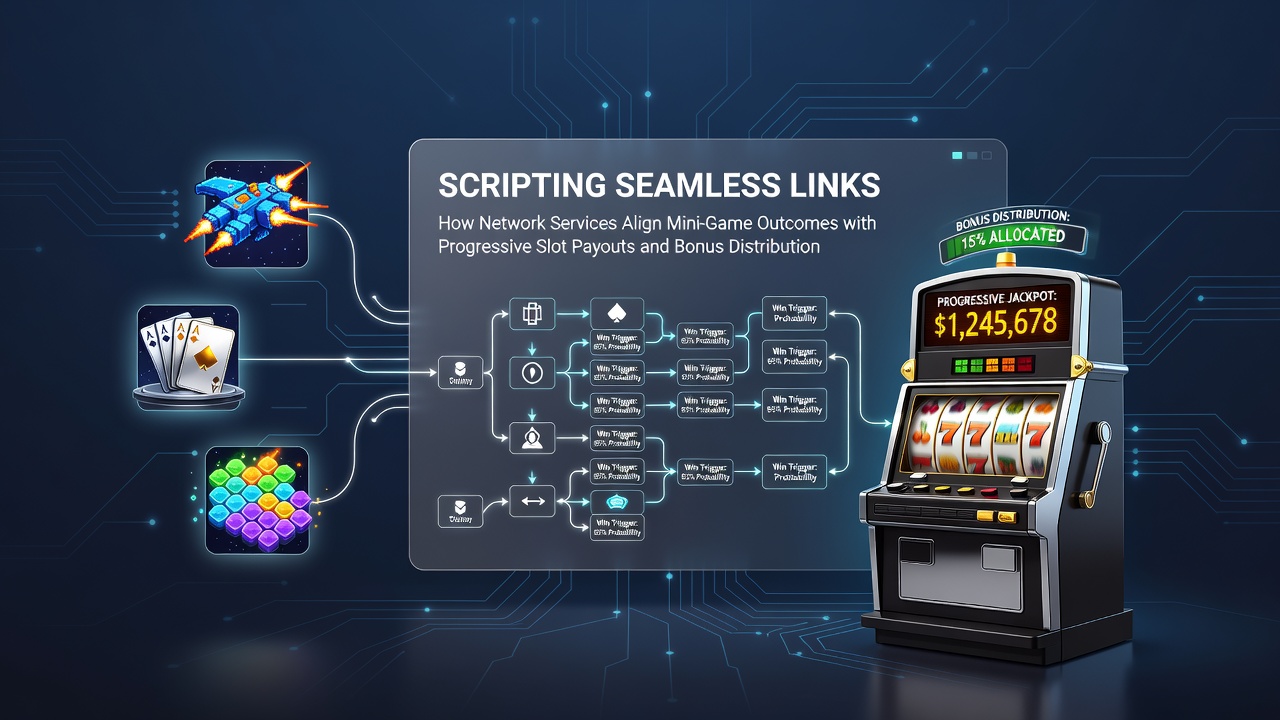
Network services in online gaming platforms handle the synchronization of mini-game results with progressive slot mechanisms through specialized scripting protocols that process outcomes in real time. These systems route player actions from mini-games directly into central jackpot pools while maintaining accurate bonus allocations across multiple game instances.
Core Mechanics of Data Alignment
Scripting layers capture mini-game triggers such as completion thresholds or random events and convert them into standardized data packets that feed into progressive payout engines. This process relies on application programming interfaces that operate across distributed servers so that each mini-game result updates the shared prize pool without introducing delays or discrepancies in balance tracking.
Operators configure these scripts to recognize specific outcome categories from mini-games including multiplier activations and bonus round entries. The scripts then map those categories to corresponding adjustments in progressive meters while simultaneously queuing bonus distributions that appear in player accounts within the same transaction cycle.
Integration with Progressive Slot Systems
Progressive slot networks maintain continuous connections to mini-game servers through dedicated middleware that validates every incoming outcome against predefined rulesets. When a mini-game produces a qualifying result the middleware forwards the data to the progressive controller which recalculates the current jackpot value and broadcasts the update to all linked slot machines in the network.
Studies conducted by research institutions such as the International Gaming Institute at UNLV document how these alignments reduce latency in payout processing to under 200 milliseconds in high-volume environments. The same reports note that platforms using these scripts recorded consistent growth in active player sessions during the first half of 2026.
Bonus Distribution Protocols
Bonus handlers receive outcome data from the same scripting layer that manages progressive updates so that reward credits post automatically once mini-game conditions are satisfied. The protocol separates the bonus allocation step from the jackpot contribution step to prevent overlap while still allowing both actions to complete in a single server call.
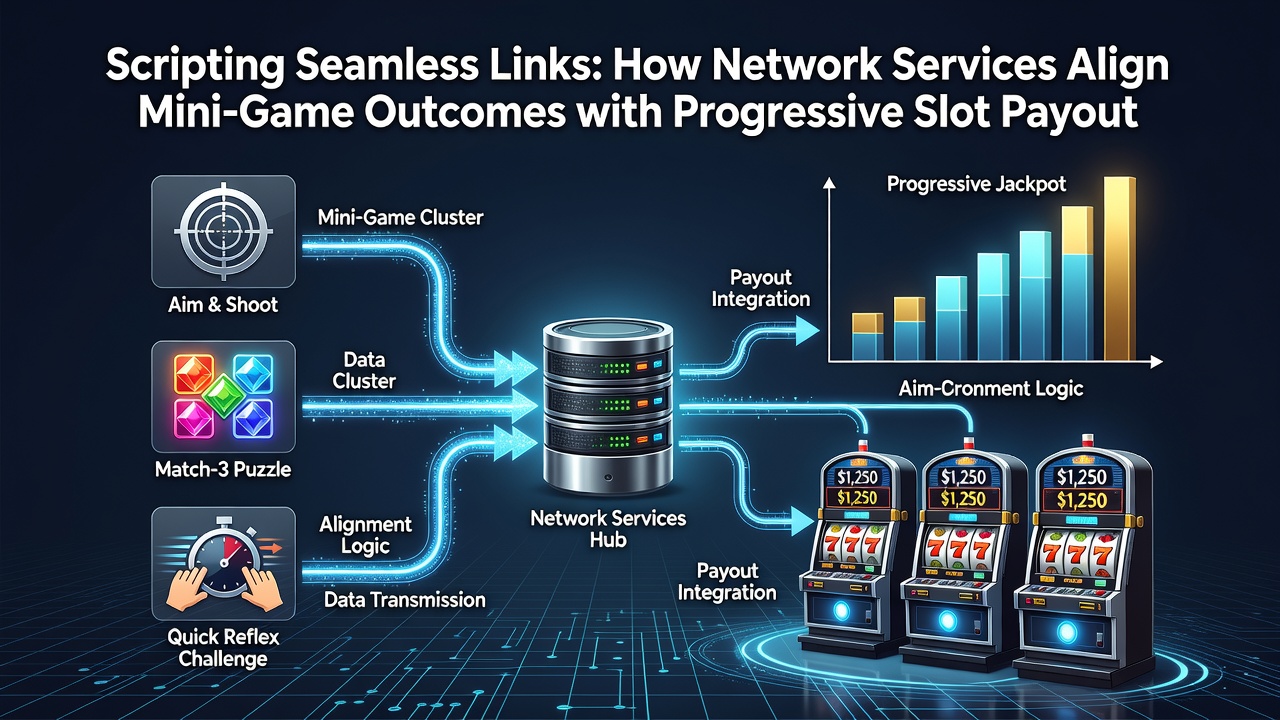
In July 2026 several major platforms implemented revised scripting modules that added support for multi-tier bonus structures triggered directly by mini-game performance metrics. These updates enabled operators to assign different bonus tiers based on the exact numerical value generated during the mini-game round rather than relying on broad categorical triggers.
Security and Compliance Measures
Encryption standards applied at the scripting level ensure that outcome data remains unaltered during transmission between mini-game servers and progressive networks. Regulatory bodies including the Alcohol and Gaming Commission of Ontario require operators to maintain audit logs of every script execution that affects jackpot or bonus values so that independent verification remains possible at any time.
Testing procedures involve simulated high-frequency mini-game completions that stress the alignment scripts under load conditions equivalent to peak traffic periods. Results from these tests confirm that payout accuracy stays within 0.001 percent variance across thousands of concurrent sessions when the scripting framework follows current industry specifications.
Future Developments in Scripting Frameworks
Developers continue to refine scripting languages used for these alignments by incorporating modular functions that allow operators to adjust mapping rules without restarting the entire network service. Such flexibility supports rapid deployment of new mini-game types while preserving existing connections to progressive pools and bonus systems.
Industry reports from the European Gaming and Betting Association indicate that adoption of updated scripting standards increased by 18 percent among European operators between January and June 2026. This growth correlates with expanded use of mini-games as entry points to larger progressive prize structures.
Conclusion
Network services achieve alignment between mini-game outcomes and progressive slot payouts through structured scripting that processes data in coordinated sequences while maintaining separate pathways for bonus distribution. Continued refinements in these systems support higher transaction volumes and more granular reward structures across global gaming platforms.