Server Architecture Driving Seamless Fusion of Add-On Games and Worldwide Growing Payout Funds
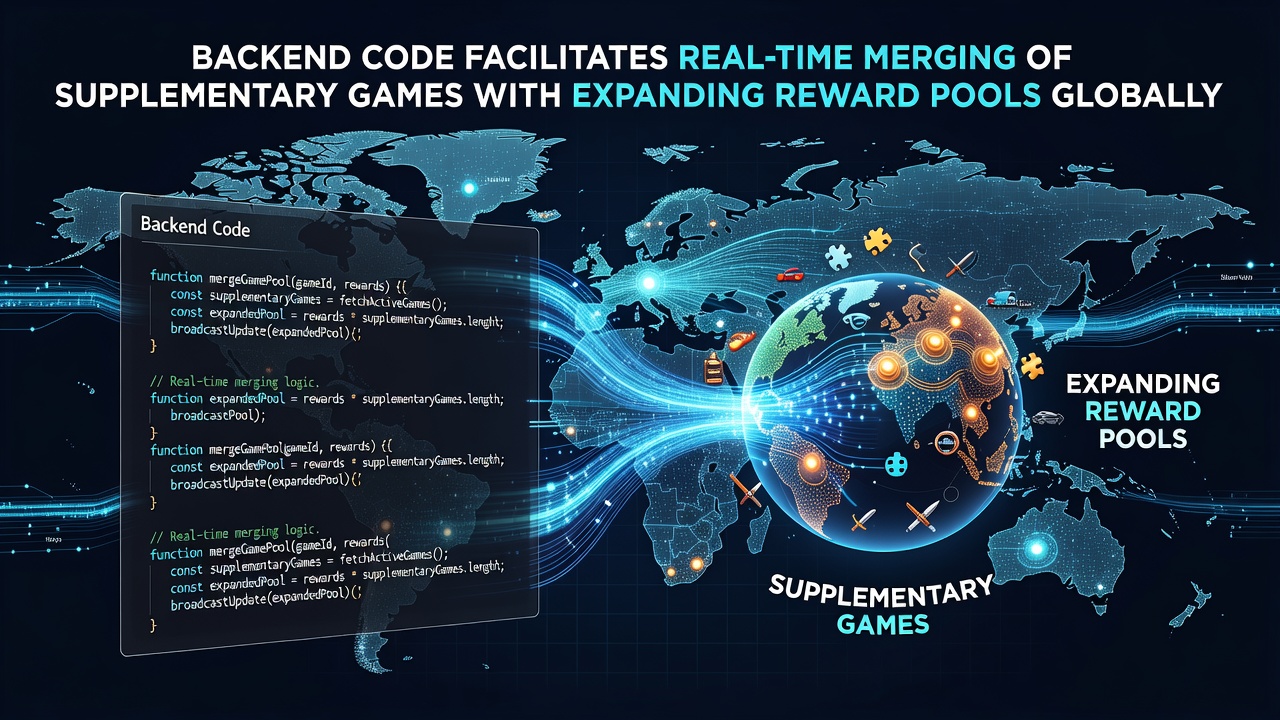 Backend systems in the gaming sector handle the technical demands of linking supplementary games directly to expanding reward pools that operate across multiple jurisdictions. These architectures rely on modular code structures that process player actions from mini-games and feed results into central jackpot ledgers without introducing delays. Data packets containing bet amounts, game outcomes, and eligibility flags move through API endpoints that validate contributions in milliseconds, allowing prize pools to adjust dynamically as new players join from different regions. Developers implement event-driven frameworks where triggers from supplementary modules activate updates to the main reward calculation engine. In practice this means a quick spin feature completed on one platform instantly registers its contribution to a shared pool that might include participants from North America, Europe, and Asia. The code uses distributed databases to maintain consistency, with replication protocols ensuring that pool totals reflect every transaction across time zones.
Core Components of the Integration Process
Real-time merging depends on several interconnected layers. The first layer manages session tracking, assigning unique identifiers to each player interaction so that contributions from mini-games route correctly to the appropriate pool segments. A second layer oversees pool expansion logic, applying percentage-based increments according to rules stored in configuration files that operators can update without restarting services.
Security protocols sit alongside these functions, encrypting data streams and performing checksum verifications to prevent tampering during transmission. Observers note that such measures align with standards set by regulatory bodies like the Nevada Gaming Control Board, which requires audit trails for every pool adjustment.
Global Scale and Synchronization Challenges
Networks spanning multiple continents encounter latency variations and differing regulatory requirements. Backend code addresses these through geofencing modules that apply jurisdiction-specific rules while still permitting cross-border pool participation where permitted. During June 2026 several platforms reported successful tests of enhanced synchronization scripts that reduced average update times by routing traffic through regional edge servers.
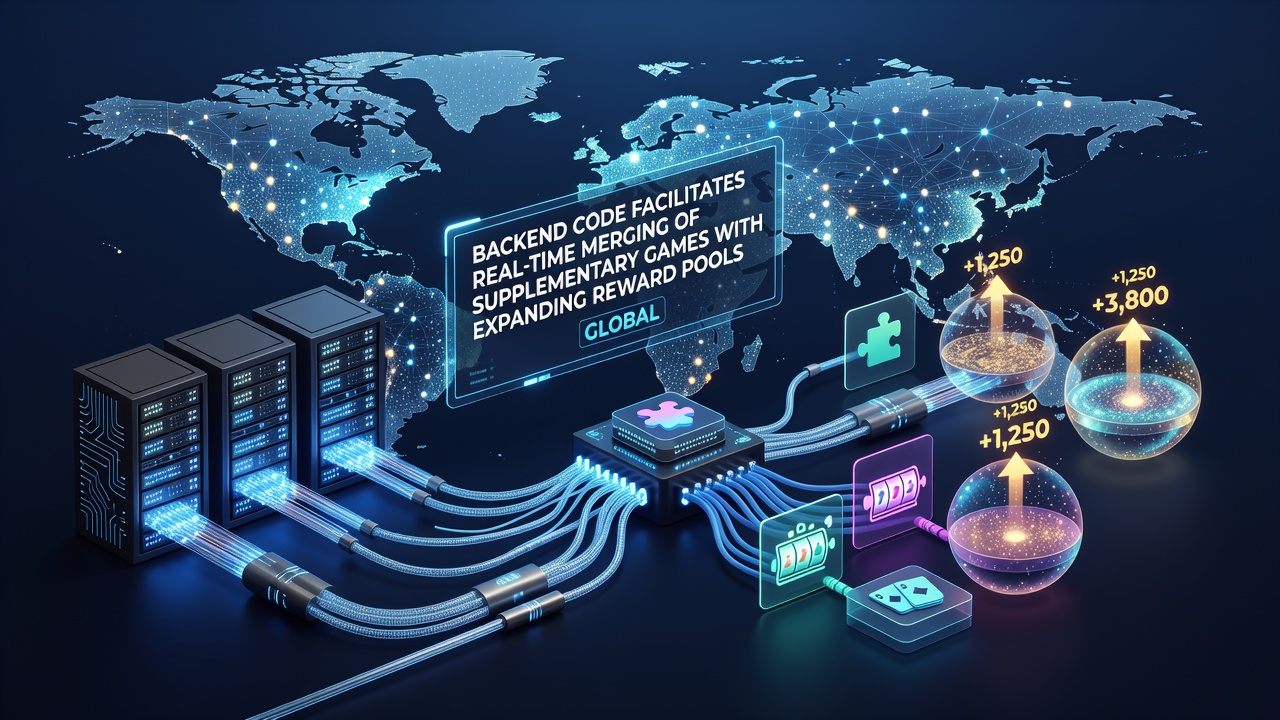
Load balancing algorithms distribute incoming requests across server clusters, preventing bottlenecks when simultaneous mini-game activity spikes. Researchers at institutions such as the University of Nevada, Reno have examined similar distributed systems in published work on scalable transaction processing, highlighting techniques that gaming operators have adapted for reward pool management.
Examples from Industry Implementations
One documented case involved a European operator integrating a series of quick-play features with a progressive structure serving users in multiple countries. The backend employed message queuing services to queue contributions sequentially, then applied atomic updates to the pool total. This approach ensured that even during peak evening hours across different time zones, the displayed jackpot figures remained accurate to the cent.
Another instance saw an Asian platform link supplementary bonus rounds to an expanding prize fund monitored by the Casino Regulatory Authority of Singapore. Code updates allowed the system to incorporate new game types mid-operation, expanding the pool categories without interrupting ongoing play sessions.
Technical Standards and Future Adjustments
Industry groups including the European Gaming Association have published guidelines on interoperability that encourage standardized data formats for reward pool contributions. Backend teams follow these recommendations when building merge functions, which reduces the effort required to onboard new supplementary games from third-party providers.
Monitoring dashboards display metrics such as contribution rates, pool growth velocity, and cross-region participation percentages. Operators use these figures to fine-tune allocation percentages and eligibility criteria stored in the backend configuration.
Conclusion
Backend code continues to serve as the foundation that permits supplementary games to merge fluidly with expanding reward pools operating on a global basis. Through event-driven processing, distributed databases, and regulatory-compliant security layers, these systems maintain accuracy and responsiveness as participation scales. Data from sources like the Casino Regulatory Authority of Singapore and academic studies from the University of Nevada, Reno illustrate the measurable improvements in synchronization speed achieved by recent code refinements. As platforms add new game modules and extend reach into additional markets, the underlying architecture adapts to keep reward calculations current and transparent for all participants.