The Mechanics of Instantaneous Reward Routing in Interlinked Gaming Ecosystems

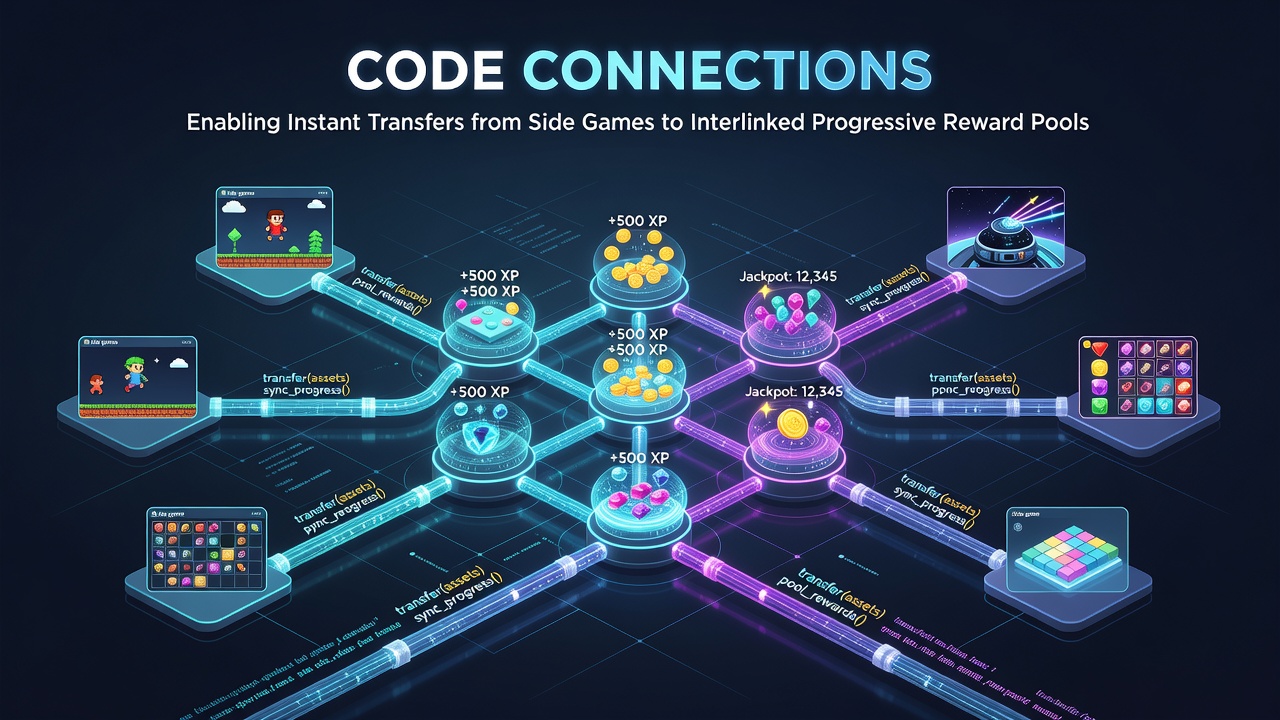
Software frameworks now handle direct data exchanges that move outcomes from supplementary games straight into shared progressive systems, and these setups rely on specific protocols for speed and accuracy. Developers design application programming interfaces that trigger updates the moment a side game completes its cycle, which allows prize pools to adjust without delays across multiple platforms.
Core Technical Components in Data Synchronization
Backend scripts manage the core connections by monitoring events in real time, while event listeners capture results from mini-games and push them through secure channels to central servers. These systems use standardized message formats such as JSON structures that contain player identifiers, bet amounts, and outcome values, and the formats ensure compatibility between different game engines and network operators. Research from the Gaming Standards Association indicates that adoption of these uniform data protocols has increased integration speeds by measurable margins in multi-vendor environments since early 2025.
Encryption layers protect each transfer step because sensitive financial data travels between side applications and the main reward pools, and authentication tokens verify every request before processing begins. Observers note that this layered approach reduces unauthorized access risks while maintaining the low latency needed for live gameplay.
Network Architecture Supporting Fluid Transfers
Interlinked databases sit at the center of these operations, where progressive pools receive incremental contributions from numerous side games simultaneously. Load balancers distribute incoming data streams across server clusters so that high traffic periods do not create bottlenecks, and redundant pathways provide failover options if one route experiences issues. In June 2026 several operators expanded their cloud-based infrastructures to accommodate growing volumes of these transfers, which reflects broader industry shifts toward scalable hosting solutions.
Examples from Operational Deployments
One deployment in North American markets connects slot-based mini-games directly to regional jackpot networks through dedicated middleware that processes thousands of transactions per minute, and similar patterns appear in European systems where regulatory frameworks require documented audit trails for every pool update. Data from the Nevada Gaming Control Board shows consistent growth in the number of linked games reporting to central pools during the first half of 2026.
Security and Compliance Measures
Regular penetration testing and compliance checks form standard practice for these code pathways, while third-party auditors review the scripts that govern instant transfers. Australian regulatory bodies have published guidelines on data handling in progressive systems that emphasize verifiable logging of each contribution event, and these requirements drive developers to embed comprehensive tracking features from the initial design phase. The result is a transparent record that supports both operational monitoring and external oversight.
Future Developments in Integration Protocols
Emerging standards focus on further reducing transfer times through edge computing techniques that place processing closer to game servers, and early trials demonstrate measurable improvements in response rates. Industry reports from the European Gaming and Betting Association highlight ongoing work to standardize additional message types that would allow even more diverse game types to feed into the same progressive structures without custom coding for each new addition.
Conclusion
Code connections that enable instant transfers continue to evolve as operators expand their networks of side games and shared reward pools, and the underlying architectures rely on precise synchronization methods, secure protocols, and scalable infrastructure. These elements together support the continuous flow of data that keeps progressive systems responsive across global platforms.